视障患者在医院里找路的困难Finding the way through a hospital without sight
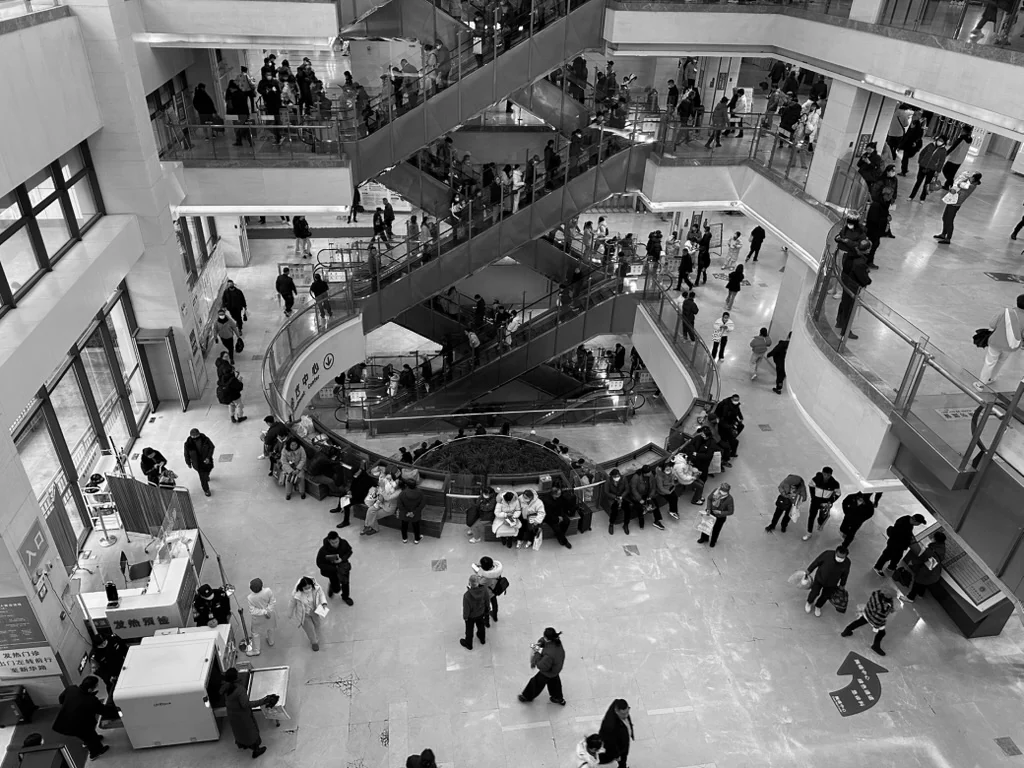
桌面研究、问卷与访谈:视障患者就医时遇到的障碍Desk research, a questionnaire and interviews: the barriers patients meet in hospital
中国拥有世界上规模最大的盲道网络,但视障者对它的信任度很低China has the world’s most extensive tactile paving network, yet blind people trust it little
“我想自己找到要去的科室,而不是总要有人领着。”“I want to find the right department on my own, without always needing someone to guide me.”
“医院太吵了。找不到路的时候,我会慌,也很无助。”“The hospital is so noisy. When I can’t find my way, I feel panicked and helpless.”
“如果挂号机和叫号系统有语音提示,我可以自己操作。”“If registration machines and call systems had voice prompts, I could manage them myself.”
“我怕撞到东西,也怕走错路。安全是我最担心的。”“I’m afraid of bumping into things or going the wrong way. Safety is my biggest concern.”
- 独立导航Independent navigation
- 清晰引导Clear guidance
- 安全保障Safety
- 无障碍技术Accessible technology
- 被理解Being understood
- 流程简化Simpler steps
从到院到离院:四个阶段的痛点与机会From arrival to departure: pain points and opportunities at four stages
- “盲道从哪里开始?”“Where does the tactile paving start?”
- “有没有能跟着走的路?”“Is there a path I can follow?”
- “我能用这台机器吗?”“Can I use this machine?”
- “叫到我的号时,我听得见吗?”“Will I hear my number when it’s called?”
- “医生能理解我的需要吗?”“Will the doctor understand my needs?”
- “怎么沿盲道找到下一个检查室?”“How do I follow the path to the next room?”
- “我怎么分清哪盒是哪种药?”“Which medicine is which?”
- “出口是这个方向吗?”“Is the exit this way?”
- 入口没有盲道,或盲道被占用No tactile paving at the entrance, or it is blocked
- 没有语音提示,也没人主动帮忙No voice prompts; no one offers help
- 自助机屏幕看不见,按键没有触感Unreadable screens; buttons give no tactile feedback
- 叫号系统没有语音播报The queue system has no voice announcements
- 医生可能没意识到患者看不见,解释不够细Doctors may not realise the patient cannot see
- 检查室位置复杂,缺少指引Examination rooms are hard to find; no directions
- 药品包装没有盲文,口头说明容易忘No Braille on packaging; verbal instructions are forgotten
- 出口方向不清楚,容易迷路The way out is unclear; easy to get lost
- 连续的盲道,配合语音提示Continuous tactile paving with voice prompts
- 培训保安或志愿者协助Guards or volunteers trained to assist
- 带盲文按键或语音引导的自助机Kiosks with Braille keys or voice guidance
- 候诊区的个人语音叫号Personal voice calls in the waiting area
- 铺设盲道,并配合语音Tactile paving with voice along the way
- 通往检查室的路线导航Route guidance to examination rooms
- 盲文或二维码用药说明Medication instructions in Braille or by QR code
- 出口处的语音提示与人工协助Audio cues and staff help at the exit
三种现有导盲方式的优点与局限Three existing guidance solutions: strengths and limits
传统盲道Tactile paving
- 直观,容易感知Intuitive and easy to perceive
- 成本低,容易铺设Low cost, easy to install
- 标准化Standardised
- 信息有限Carries little information
- 容易被占用或损坏Easily blocked or damaged
- 适应性不足Cannot adapt
RFID 盲道RFID tactile paving
- 非接触读取Contactless reading
- 信息容量大Stores rich information
- 实时、精确定位Real-time, precise positioning
- 初期部署成本高High initial cost
- 读取距离有限Short reading range
- 维护和更新困难Hard to maintain and update
NaviLens 语音码NaviLens
- 不依赖 GPS 导航Navigation without GPS
- 远距离快速识读Fast reading from a distance
- 信息丰富Rich information
- 依赖专用标签Depends on dedicated markers
- 对使用者技术要求高Demanding for users
- 嘈杂环境中受限Limited in noisy places
五个就医环节背后的前台、后台与支持系统What sits behind five steps of a visit: onstage, backstage and support
- 领取智能手环Collect the smart bracelet
- 前往自助挂号机Walk to the registration kiosk
- 按语音提示自助挂号Register by voice prompts
- 等待叫号Wait for the call
- 口述病情,听医生详细说明Describe the condition; hear a detailed explanation
- 前往指定地点检查Go to the examination room
- 领取检查报告Collect the report
- 按语音指引去药房Follow voice directions to the pharmacy
- 沿盲道离开医院Follow the path out
- 触觉标识牌Tactile sign board
- 语音叫号Voice queue calling
- 盲文票据Braille receipts
- 语音导航Voice navigation
- 无障碍检查清单Accessibility checklist
- 引导核对Guidance check
- 报告打印机Report printer
- 用药说明Medication instructions
- 出口坡道Exit ramps
- 盲道维护系统Path maintenance system
- 设施管理团队Facilities team
- 挂号机语音提示Kiosk voice prompts
- 触觉盲文按键Tactile Braille keys
- 系统序号Queue numbering
- 导航动态调整Live route adjustment
- 医护培训Staff training
- 信息联动系统Linked information
- 生成检查报告Report generation
- 导航系统Navigation system
- 调取用药信息Medication records
- 语音导航维护Voice navigation upkeep
- 医院监控网络Hospital monitoring network
- 监测与定位系统Positioning system
- 盲文按键模块Braille key module
- 实时数据同步接口Real-time data sync
- 医院监控系统Hospital monitoring
- 医院服务平台Hospital service platform
- 数据同步网络Data sync network
- 室内定位技术Indoor positioning
- 药房信息系统Pharmacy information system
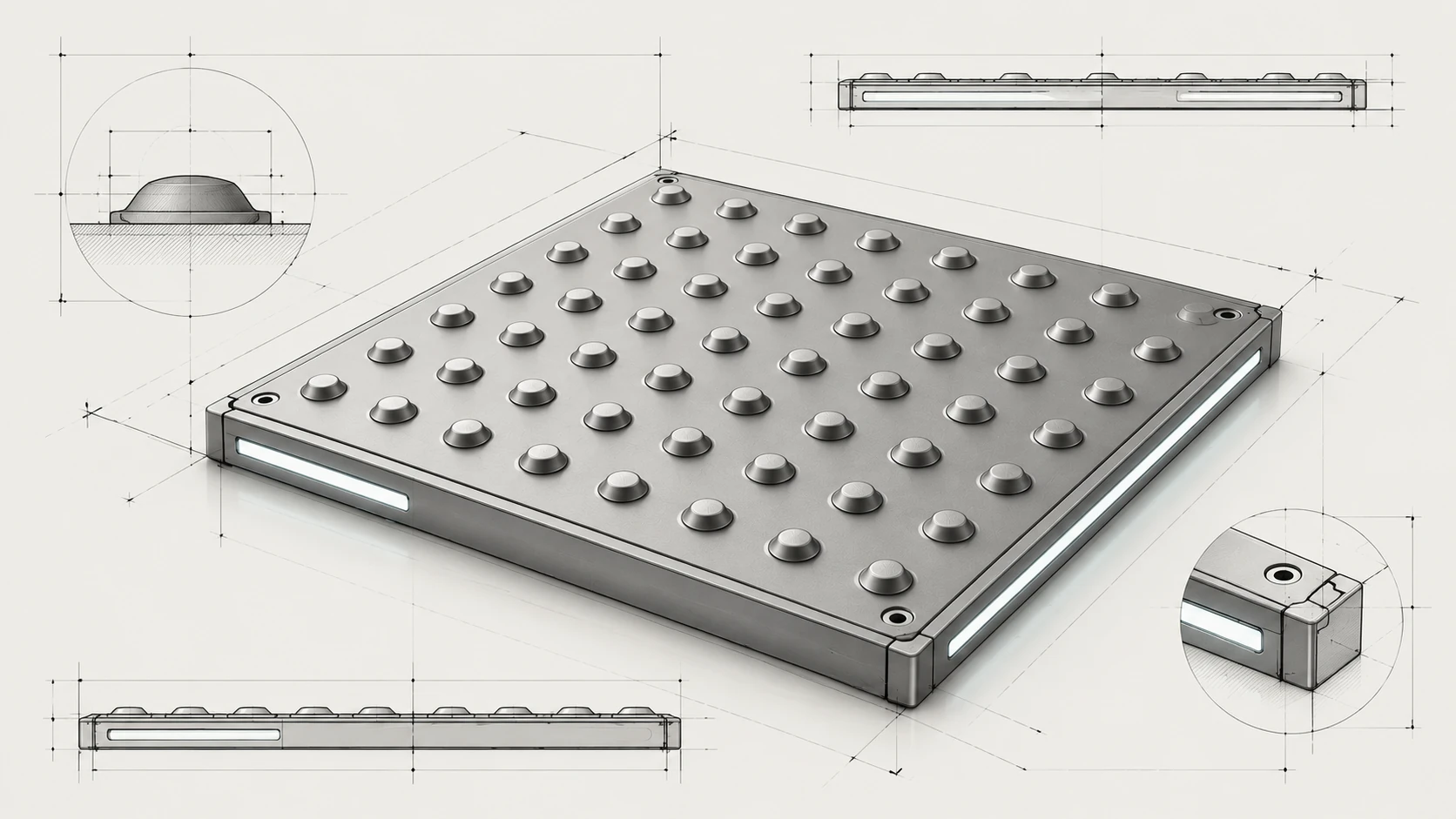
触觉地砖的层次与部件Layers and parts of the tactile tile
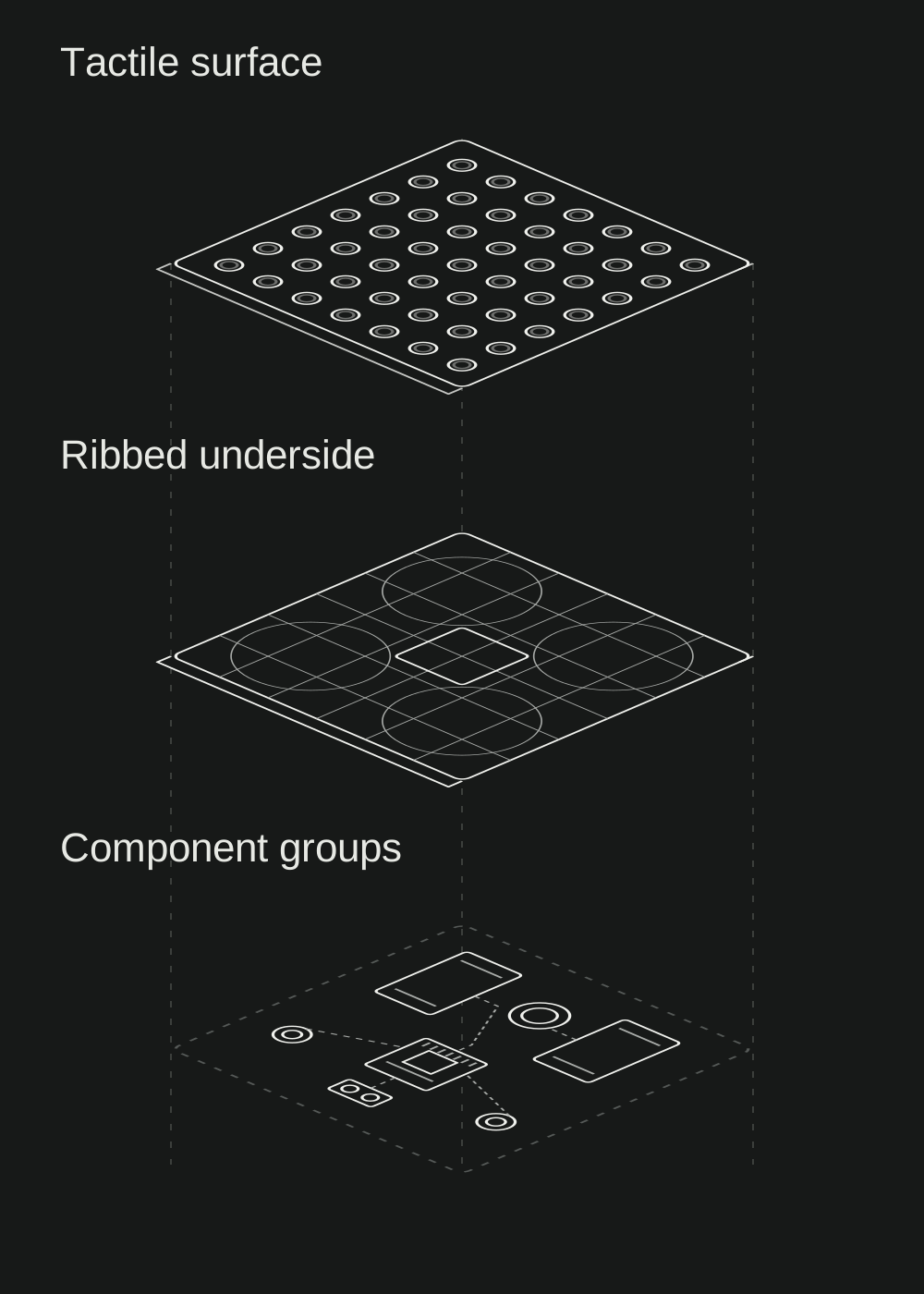
地面模块、路线协调与手腕提示Floor modules, route coordination and wrist cues
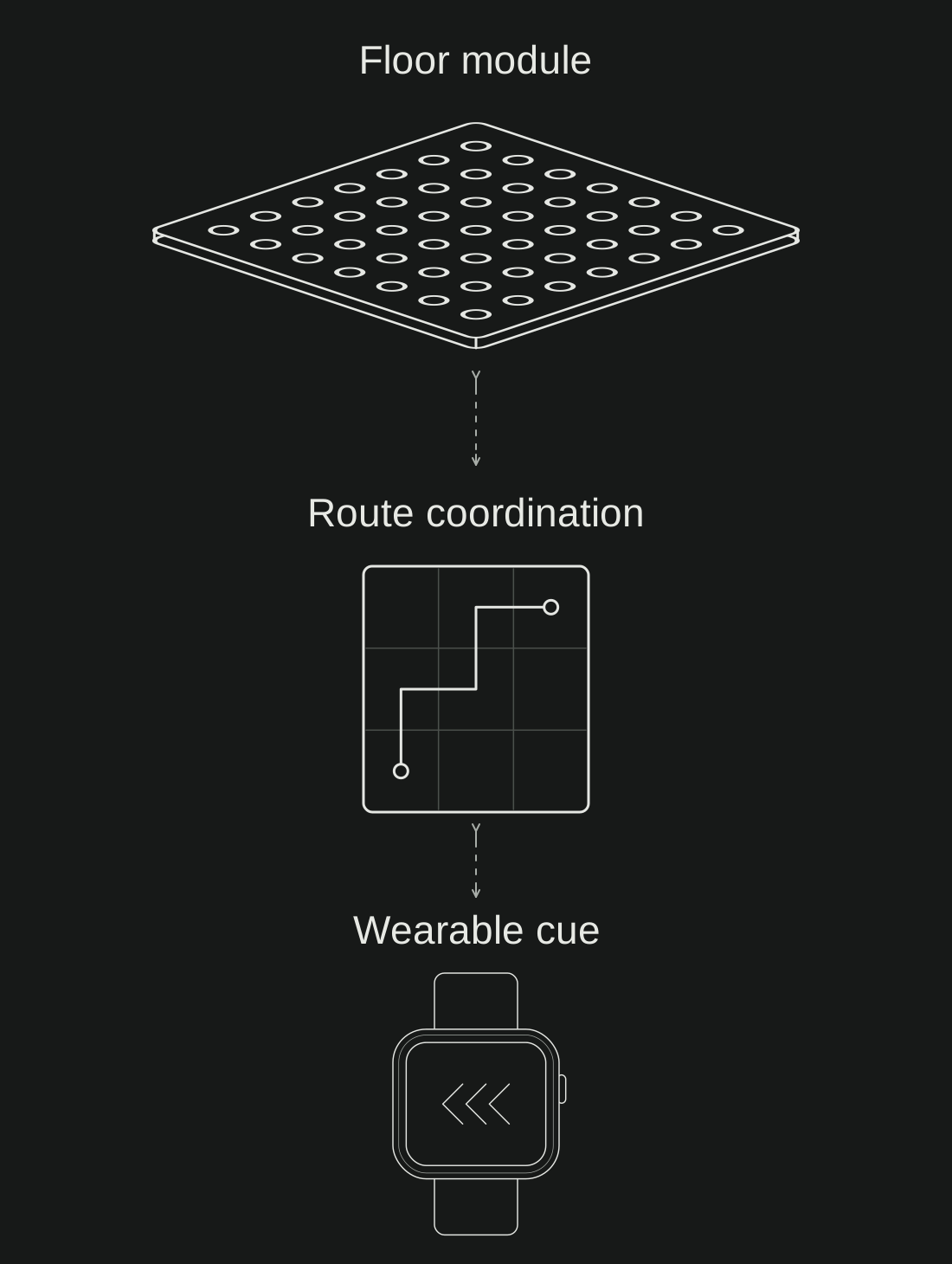
手腕上的四类提示:左转、右转、前行与警告Four wrist cues: left, right, continue and warning
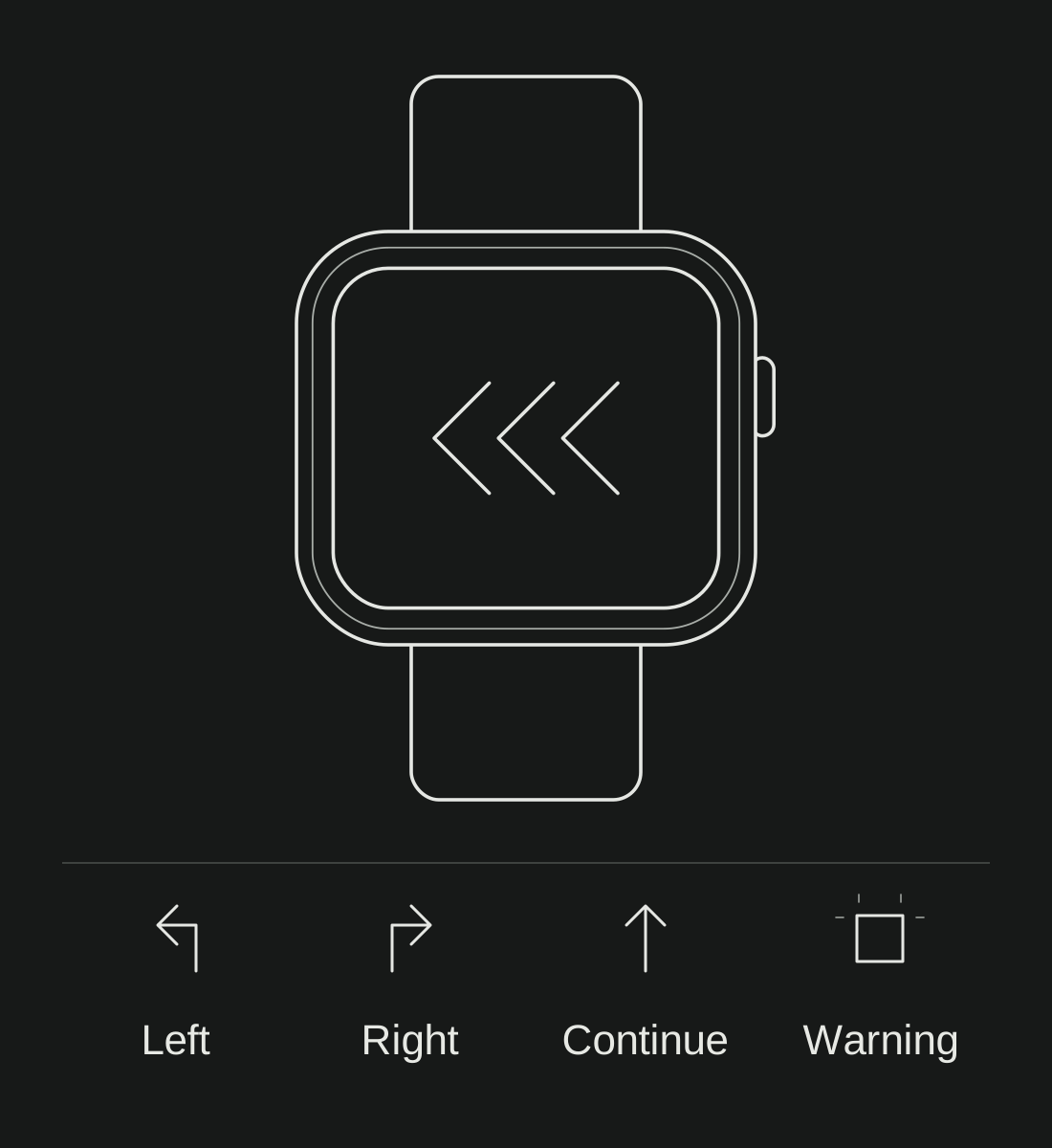
走到科室 · 手腕上的四类提示To a department · four wrist cues
- 左转Turn left
- 右转Turn right
- 前行Continue
- 警告Warning
- 左转Turn left左侧振动Vibration on the left side
- 右转Turn right右侧振动Vibration on the right side
- 前行Continue持续振动Continuous vibration
- 警告Warning前方障碍,振动提醒Vibration alert for an obstacle ahead
- 紧急疏散EvacuationLED 闪烁,指示疏散路线LEDs flash along the escape route
部件布置、检修方式与实体搭建Component layout, service access and the physical build
部件布置Component arrangement
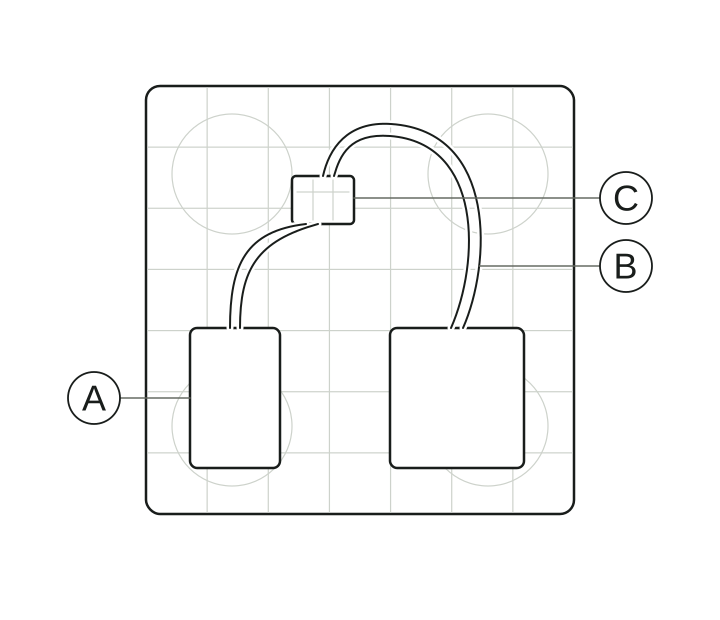
- A
- 外壳盒体Enclosures
- B
- 导线Leads
- C
- 连接件Connector
装配与检修Assembly access
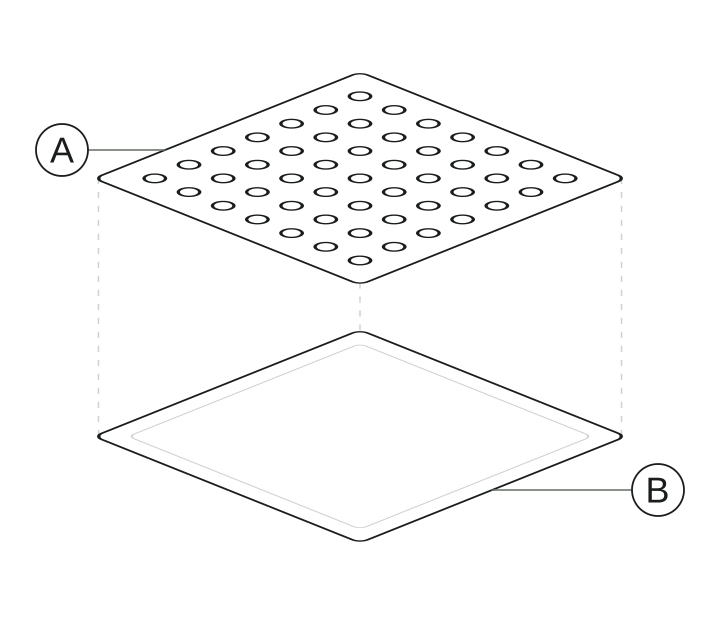
- A
- 触觉表面Tactile surface
- B
- 底部检修口Underside access
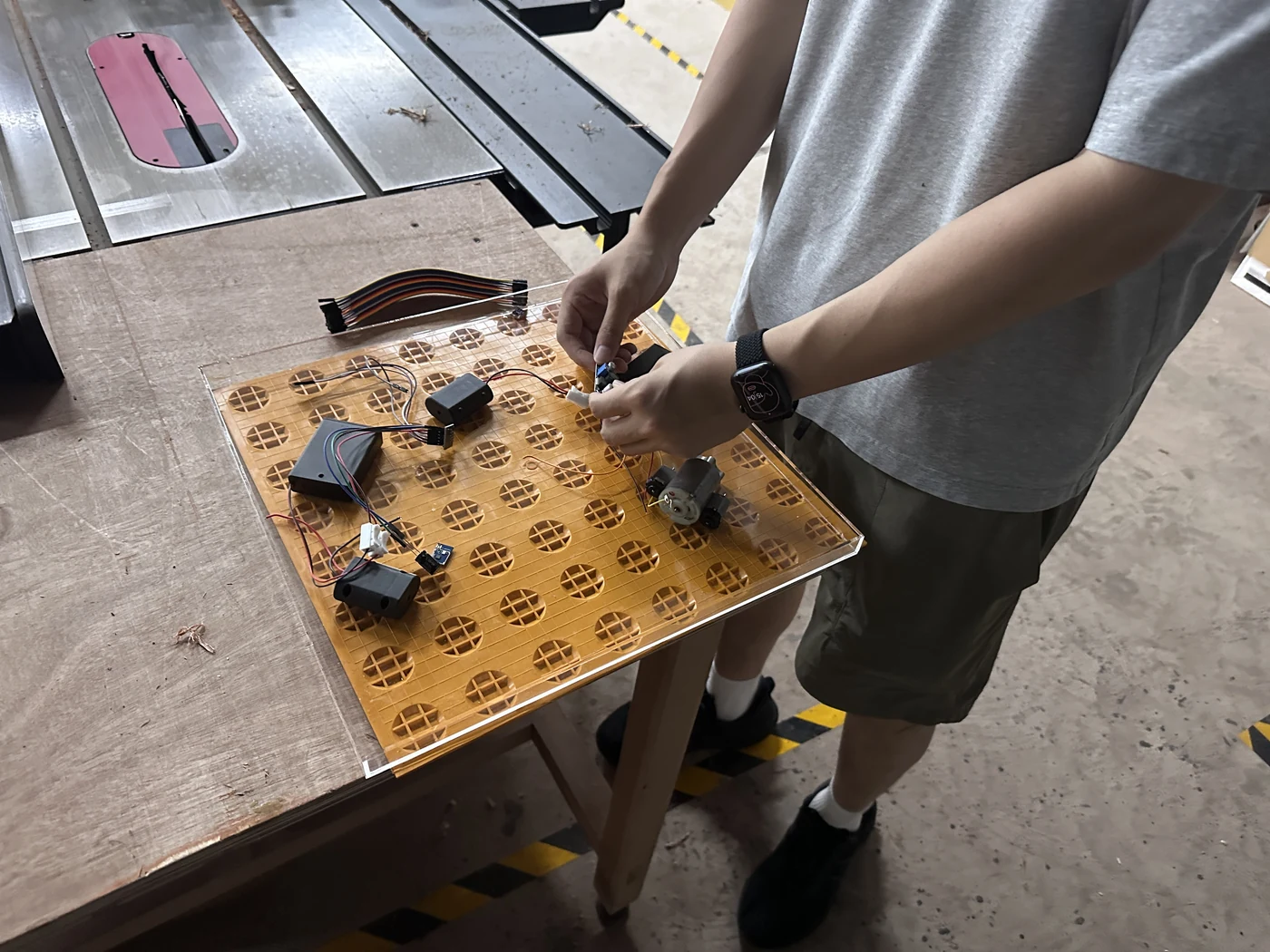
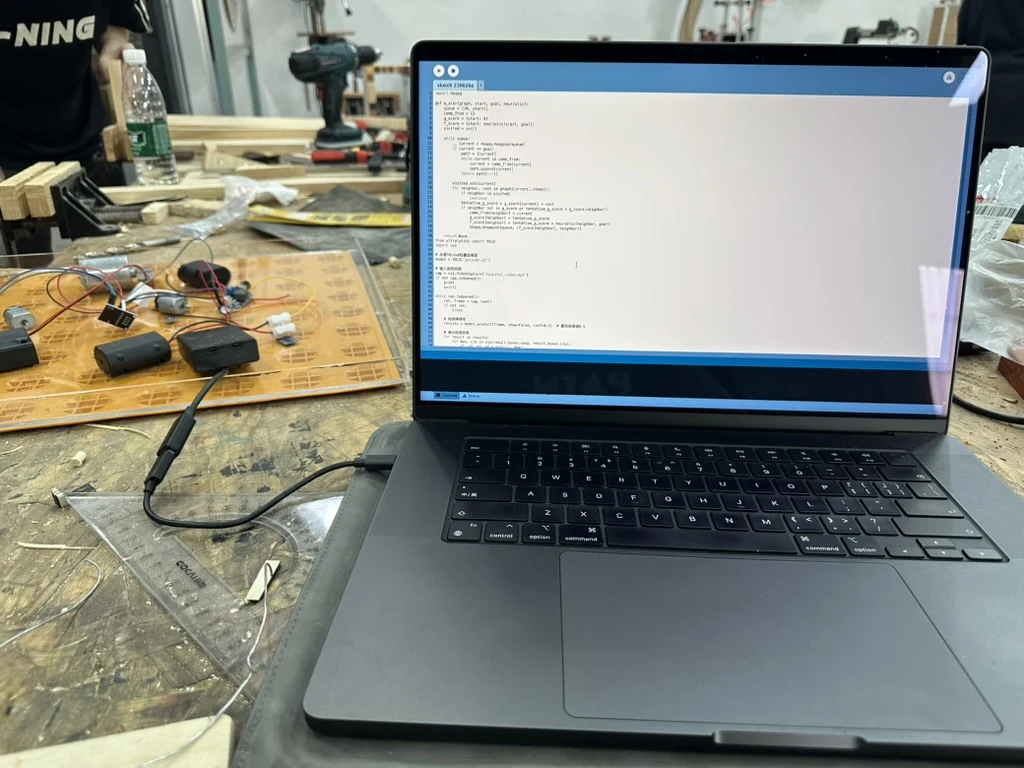
01组装Assembly 电机 3V、红外 5V、通信 3.3V:电压不统一,装配复杂,运行不稳定Motor 3 V, infrared sensor 5 V, communication 3.3 V: mixed voltages make assembly complex and operation unstable.
02编程调试Programming Wi-Fi 干扰与湿滑地面会削弱红外和通信模块Wi-Fi interference and slippery floors can weaken the infrared and communication modules.
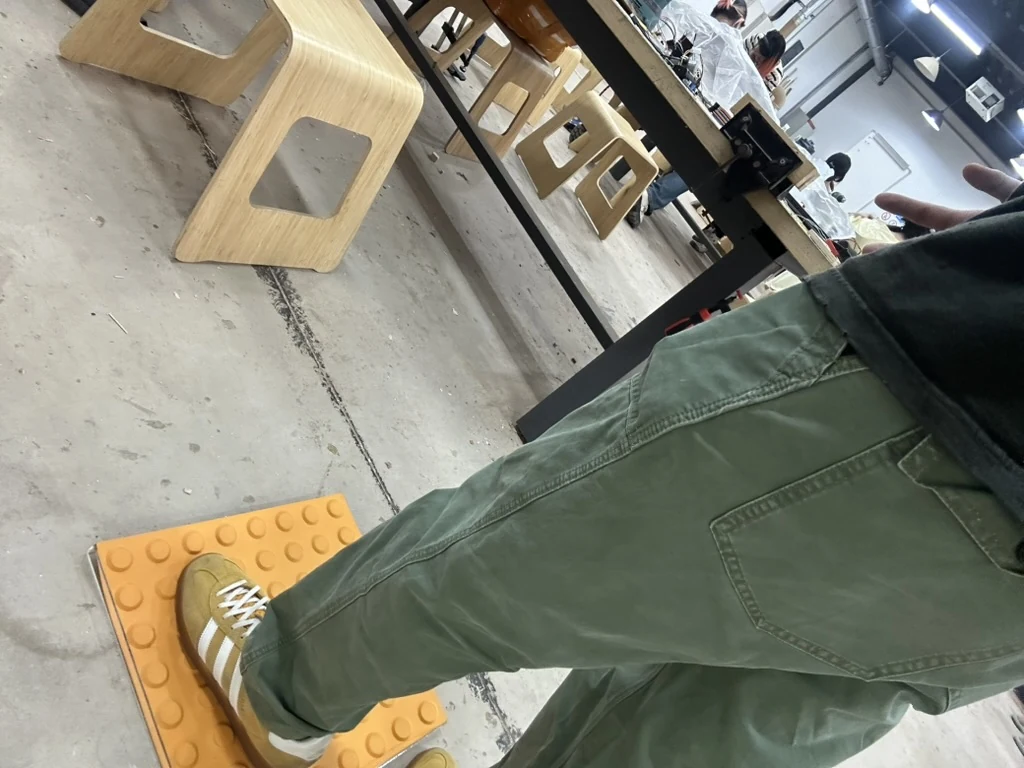
03踩踏测试Stepping test 固定的路径模板难以适应不断变化的医院A fixed path template struggles with a hospital that keeps changing.
三项初步测试,以及据此修订的振动与地面规则Three preliminary tests, and the vibration and surface rules they changed
铺设地砖,连接设备Lay the tiles and connect the parts
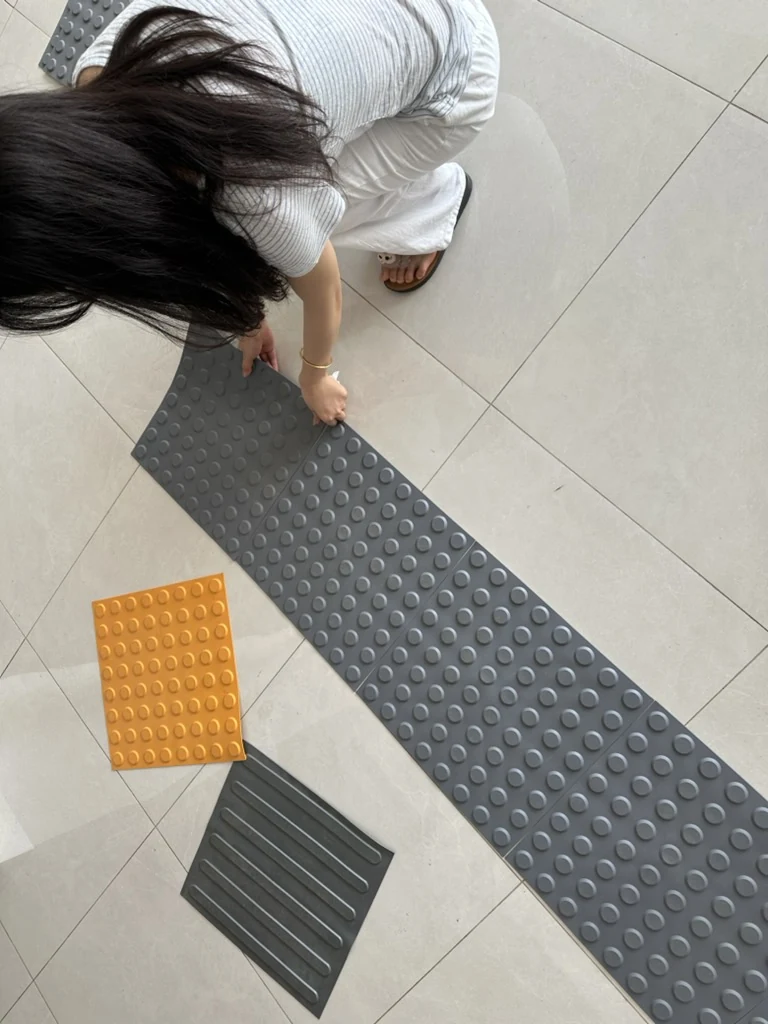
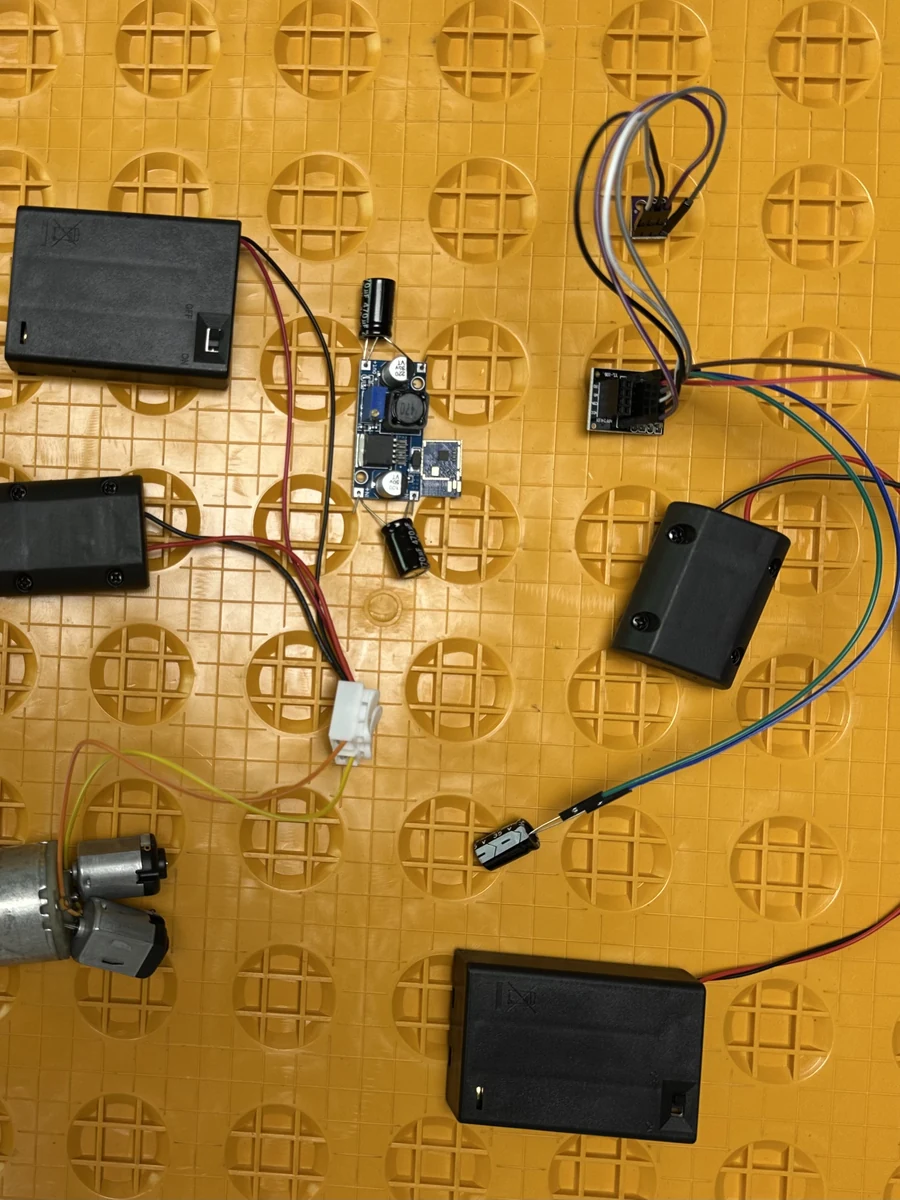
- 振动电机 ×3(两小一大)Vibration motors ×3 (two small, one large)
- 红外测距传感器Infrared distance sensor
- 锂电池Lithium-ion battery
- 低功耗蓝牙模块Bluetooth Low Energy module
转向提示Turn cue
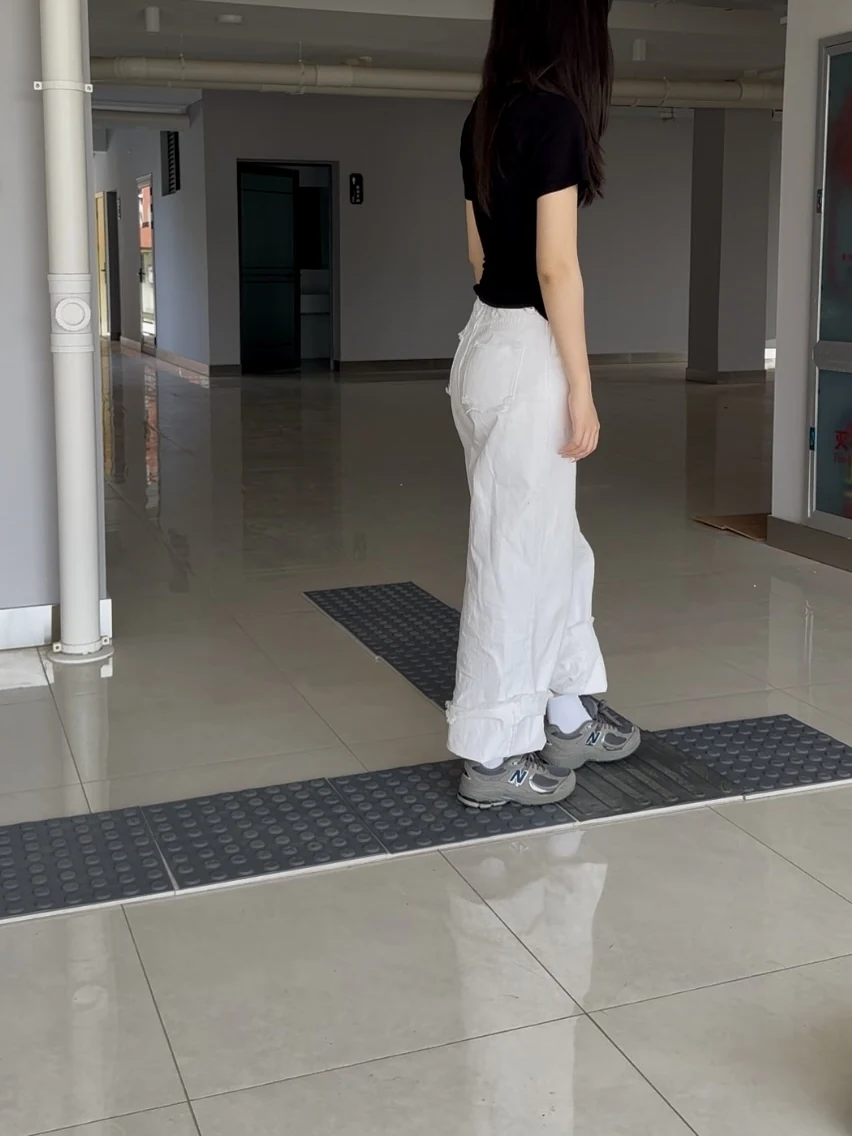
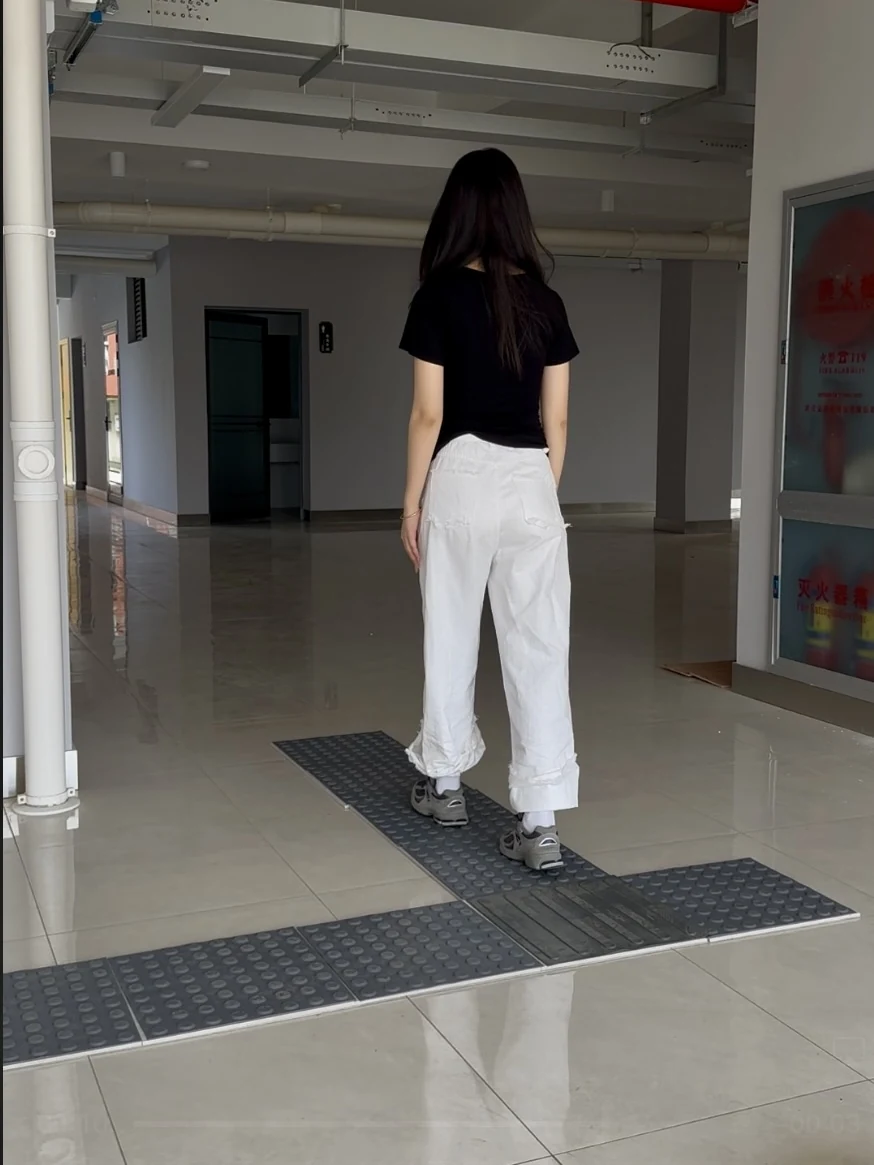
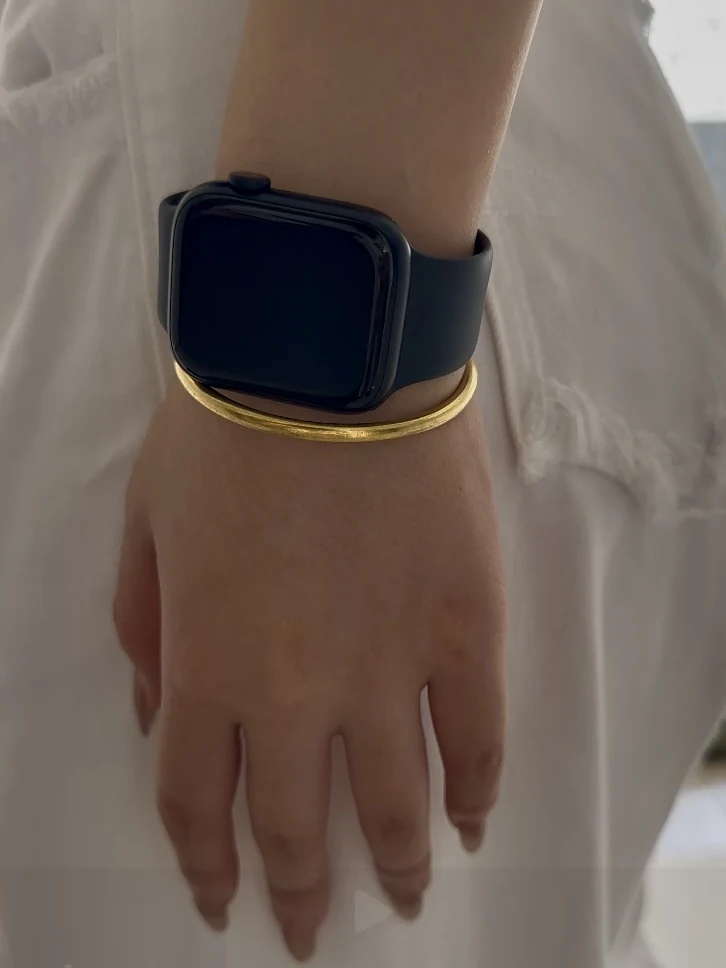
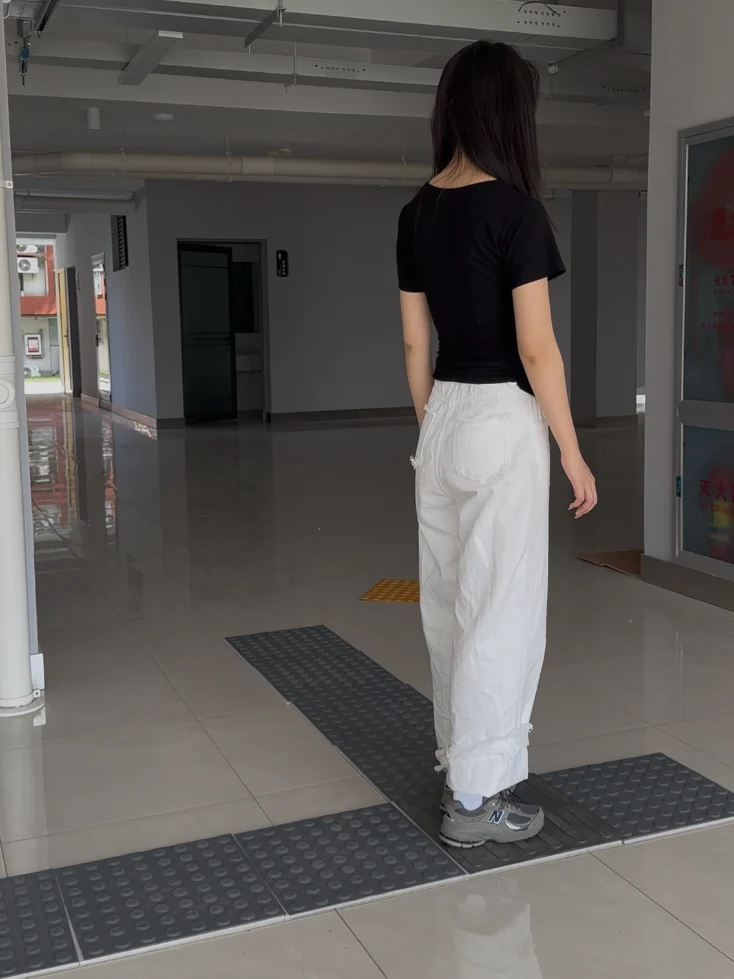
偏离路线Leaving the path
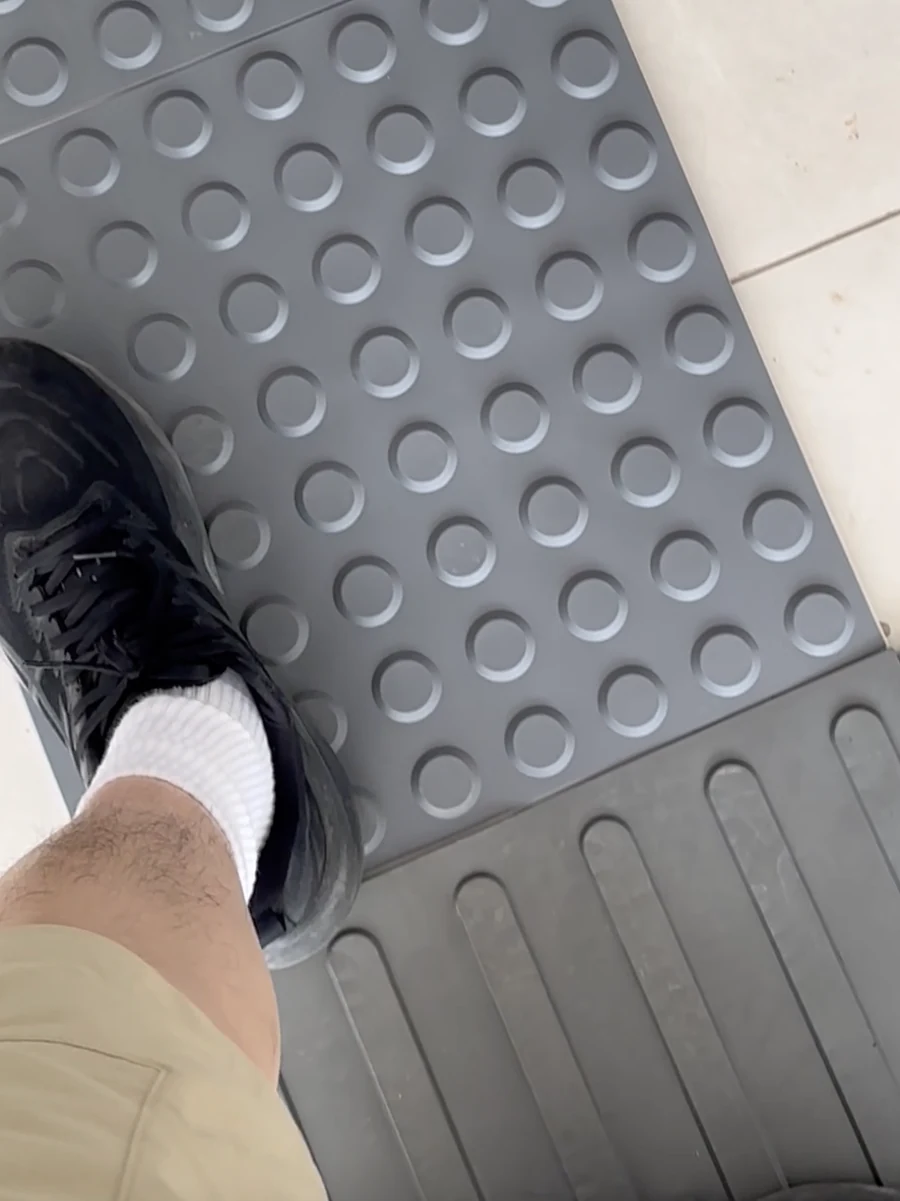
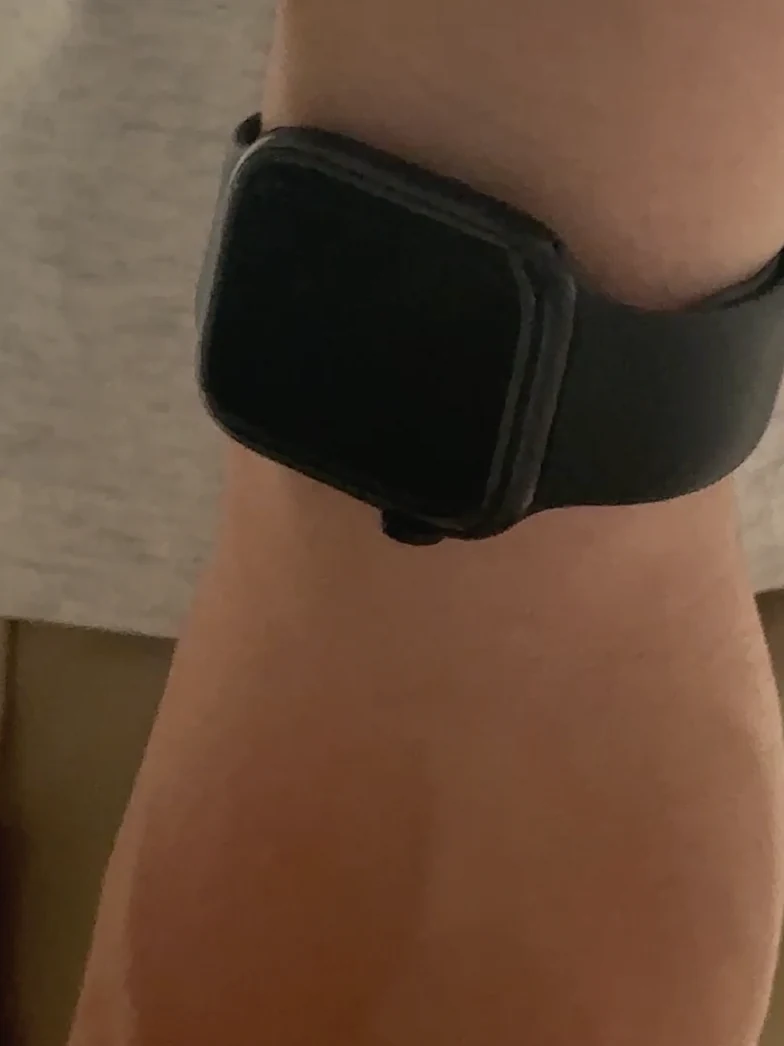
- 系统检测到位置偏离路线超过阈值The system detects the position has left the path beyond a threshold
- 手环警示振动,并语音提示回到盲道Warning vibration, and a voice prompt to return to the path
- 附近盲道模块引导回主路,或重新规划路线Nearby path modules guide back to the main route, or it is re-planned
测试发现What the tests showed
- 长时间行走时,硬而高的纹理让脚底不适Hard, raised textures tire the soles on longer walks
- 人流密集处,感知容易被干扰,引导效果变差In crowds, perception is overwhelmed and guidance suffers
- 转角和 CT 室铁门附近,条形纹理不够直观,容易走偏At corners and near the CT room’s iron door, the strip texture is not clear enough to stay on course
规则修订Revised rules
| 项目Item | 修订前Before | 修订后After |
|---|---|---|
| 日常振动Everyday vibration | 200Hz200 Hz | 0.1–0.2g 轻脉冲Mild pulse, 0.1–0.2 g |
| 紧急振动Emergency vibration | 150Hz150 Hz | 三次短脉冲,间隔 0.5 秒Three short pulses, 0.5 s apart |
| 振动模块Vibration modules | 振感不均Uneven feel | 每 50cm 均匀嵌入Embedded every 50 cm |
| 盲道表面Path surface | 偏硬Too hard | 0.5mm 弹性硅胶涂层0.5 mm elastic silicone coating |
| 条形导向纹理Directional strips | 偏高Too high | 高 3–4mm,点状警示纹理保留 5mm3–4 mm high; 5 mm warning dots kept |
| 与主通道衔接Joining the main walkway | 容易绊倒Tripping risk | 1–2cm 斜坡过渡(主通道宽 2–3m)1–2 cm slope to the 2–3 m walkway |
就医路径、地砖模块、手腕提示、模型与测试Route, floor module, wrist cues, model and tests
连续的就医路径A continuous hospital route
挂号 → 候诊 → 检查 → 取药Registration → waiting → examination → pharmacy
触觉地砖模块Tactile floor module
触觉表面 · 加强筋底板 · 部件组Tactile surface · ribbed base · component groups
手腕提示语言Wrist cue language
- 左转Turn left
- 右转Turn right
- 前行Continue
- 警告Warning
实体模型与测试Physical model & tests
实体搭建 · 三项初步测试 · 修订振动与地面规则Physical build · three preliminary tests · revised vibration and surface rules